

How Does Assisted Living Create More Opportunities for Social Interaction?
Assisted living settings naturally support social connection by providing communal spaces, scheduled activities, and shared dining options. In Bradford, PA, the change of seasons and close-knit neighborhoods often mean older adults want company and support year-round, especially during colder months when getting out can be challenging.
Residents in assisted living communities typically have daily chances to interact—whether during group meals or in common areas designed for easy, informal conversation. Seasonal events and locally inspired gatherings, like autumn crafts or winter storytelling, encourage residents to participate, fostering friendships and reducing the risk of loneliness.
What Makes Social Connections in Assisted Living Different Than Living Alone?
Unlike aging at home, where isolation can creep in unnoticed, assisted living environments are designed to lower that risk. Every facility comes equipped with regular events, interest-based clubs, and accessible transportation to community happenings. This structure makes it much easier for those who may have trouble arranging transportation or outings themselves, a common challenge in the city's hillier or snow-prone neighborhoods.
Residents also benefit from support with daily routines, freeing up energy and time for leisure and companionship. For example, instead of worrying about meal preparation or mobility issues in snowy weather, individuals can enjoy a meal with new acquaintances or join a puzzle group in a warm, accessible environment.
How Do Shared Activities Build Strong Relationships?
Group activities—ranging from music, crafts, and games to fitness sessions—are central to social life in assisted living. These shared experiences provide a natural way to get to know others with similar interests, breaking the ice and helping new residents feel welcome.
The following features typically strengthen social bonds:
- Structured activities (music groups, discussion clubs, seasonal decorating)
- Informal gatherings (coffee hours, shared puzzles)
- Intergenerational programs (visits from local schools or community organizations)
These types of interactions lead to genuine friendships and mutual support networks that make the adjustment to assisted living easier and daily life more enjoyable.
Are There Barriers to Socializing in Assisted Living—and How Are They Addressed?
While most people find more chances to connect, some hesitate to engage due to shyness, mobility challenges, or memory concerns. Assisted living staff are trained to spot signs of withdrawal and gently encourage participation without being intrusive.
Many communities design spaces for quiet paired interactions as well as larger group settings, recognizing that not everyone thrives in the same social situations. In the fall and winter, group transportation ensures residents can attend local events despite icy sidewalks or early nightfall, reducing the risk of seasonal isolation.
What Are the Benefits Beyond Companionship?
Regular social interaction does more than simply provide company. Evidence points to a range of benefits for older adults, including:
- Improved mood and lower rates of depression
- Better memory retention and cognitive engagement
- Stronger sense of belonging and purpose
- Enhanced self-confidence
- More motivation to try new things or remain physically active
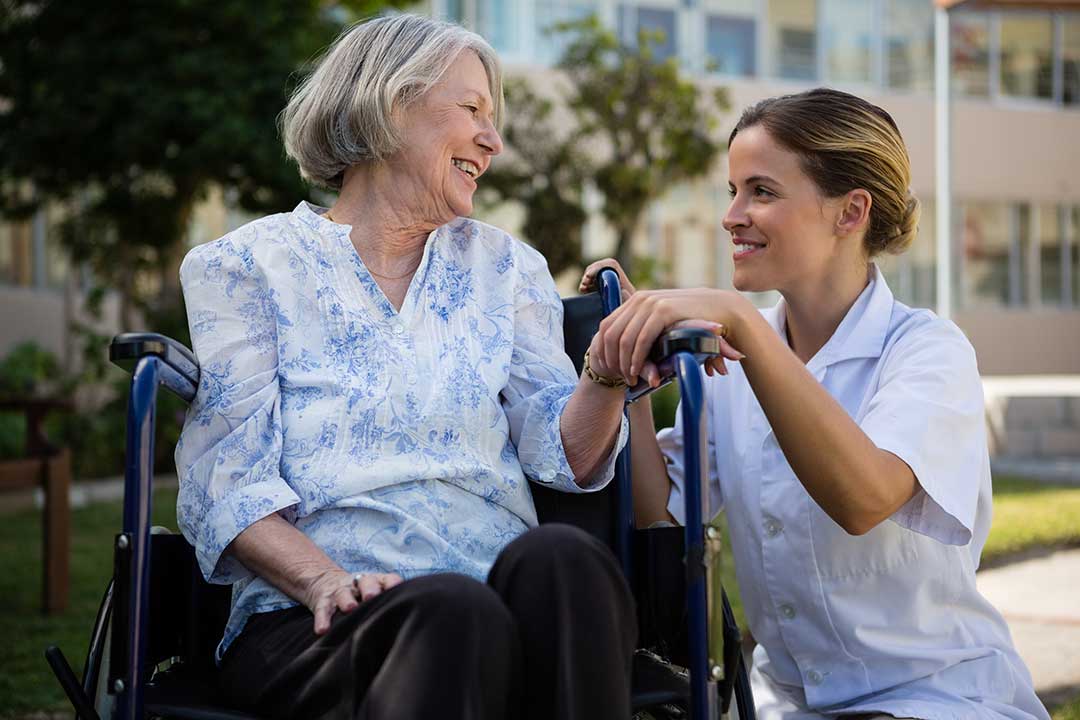
In communities like Bradford, these benefits are especially valuable, as the climate and rural landscape can make it easy for older adults to feel cut off during certain times of year.
Can Residents Maintain Community Connections Outside Assisted Living?
Many residents wish to remain involved with local clubs, churches, or volunteer groups. Assisted living settings frequently support these goals by arranging transportation, organizing outings to local parks or events, and facilitating visits from neighbors, family, and community groups.
Residents can often invite friends or relatives to join in-house events, further blending their existing relationships with new connections made among peers.
What Is a Common Misconception About Social Life in Assisted Living?
A frequent misconception is that moving to assisted living means giving up independence or existing friendships. In reality, many residents find their social circles expand. They participate more often in activities than when alone at home, primarily because opportunities are built into daily life and tailored to a wide range of interests.
Residents are free to choose how much, how often, and with whom they interact, maintaining autonomy while gaining easier access to companionship and community events.
