
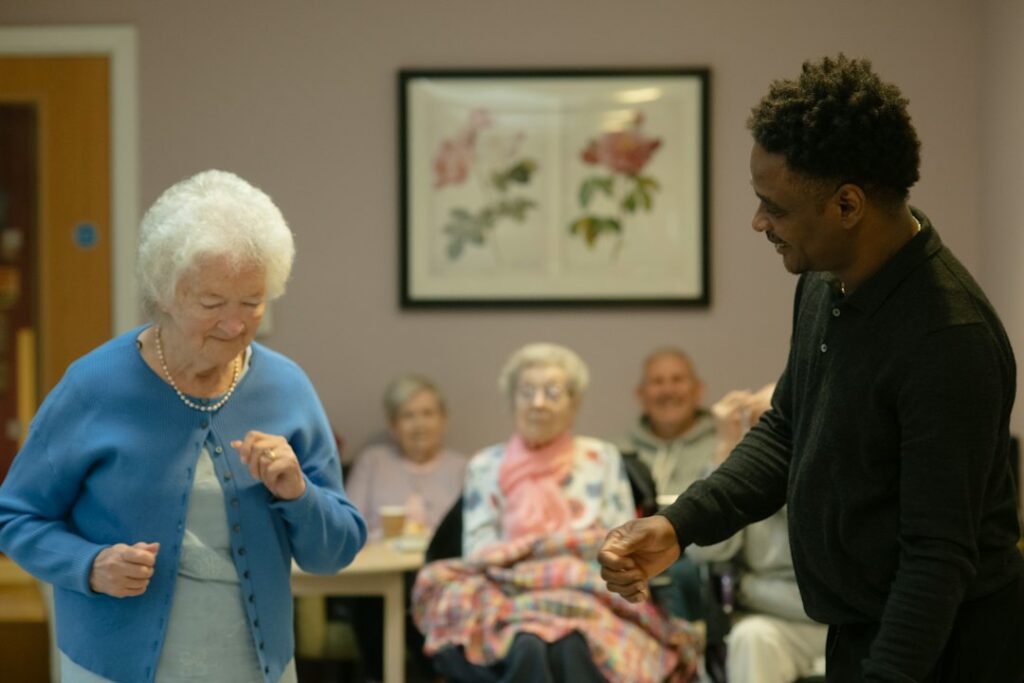
Moving into assisted living can change daily routines, but it does not have to weaken family relationships or friendships. Regular contact, familiar activities, and thoughtful communication can help residents feel remembered, included, and emotionally supported.
How can family members stay connected after a move?
The most effective approach is to create a dependable pattern of contact that fits the resident’s preferences and energy level. A short, predictable phone call may be more meaningful than an occasional long conversation.
Families can agree on a routine such as:
- A morning or evening phone call on certain days
- A weekly in-person visit
- Video calls with relatives who live farther away
- Regular letters, cards, or printed photographs
- Shared meals, hobbies, or television programs during visits
Consistency matters because residents know what to expect. A missed call can be disappointing, especially during the adjustment period, so families should choose a schedule they can realistically maintain. If plans change, a quick explanation or rescheduled visit can prevent unnecessary worry.
Some residents may prefer fewer conversations or shorter visits. Fatigue, hearing changes, memory concerns, pain, or a busy activity schedule can affect how much social interaction feels comfortable. Staying connected should support the resident rather than create pressure.
What should visitors do during an assisted living visit?
A useful visit does not need to be elaborate. Spending relaxed, undistracted time together is often more valuable than planning a complicated outing.
Visitors might:
- Look through family albums
- Listen to familiar music
- Take a short walk, if safe and comfortable
- Share a snack or beverage according to dietary guidance
- Read aloud from a newspaper, magazine, or book
- Complete a puzzle, craft, or simple game
- Watch a favorite program together
- Help organize photographs or personal belongings
The best activity depends on the resident’s interests and abilities. Someone who once enjoyed gardening may appreciate discussing seasonal plants or tending a small indoor arrangement. A person who enjoyed cooking may enjoy talking about recipes, sorting family meal ideas, or preparing a simple approved snack with a visitor.
During winter in Bradford, PA, weather may make travel more difficult, particularly for older adults who have balance concerns or do not feel comfortable driving in snow and icy conditions. Families can plan extra time for travel, use phone or video contact when roads are unsafe, and avoid making the resident feel forgotten when an in-person visit must be postponed.
How can relatives make phone and video calls easier?
Communication tools work best when they match the resident’s abilities and comfort. A complicated device may create frustration, while a simple setup can make regular contact much easier.
Before beginning a call, relatives should consider:
- Whether the resident can hear clearly
- Whether the room has enough lighting for video
- Whether the device has large, easy-to-use controls
- Whether staff assistance is needed to connect the call
- Whether calls should be limited to a comfortable length
Background noise can make conversation difficult. A quieter room, headphones, or a speaker placed close to the resident may help. Relatives should speak clearly, face the camera, and allow extra time for responses.
Video calls can be useful, but they are not required for meaningful connection. A traditional phone call, recorded family message, mailed card, or printed photo may be more comfortable for a resident who is not familiar with video technology.
How can families include a loved one in everyday life?
Residents may feel disconnected when family conversations focus only on health, appointments, or facility routines. Including them in ordinary family life can reinforce their sense of belonging.
Relatives can share updates about:
- Birthdays and family milestones
- School activities and hobbies
- Seasonal household routines
- Favorite recipes or recent meals
- Books, music, television programs, or local events
- Photographs from family gatherings
- Stories about grandchildren, pets, or friends
Questions should invite conversation rather than test memory. Asking, “Would you like to hear about the family gathering?” may be more comfortable than asking, “Do you remember what happened last weekend?”

If memory loss is present, correcting every detail can make conversation stressful. It is usually more helpful to focus on feelings, familiar subjects, and the resident’s current experience. If the person becomes confused or upset, gently changing the subject may work better than arguing about facts.
What if a resident does not want frequent visits?
A resident who declines visits may be tired, uncomfortable, embarrassed about changes in health, or overwhelmed by too much activity. Refusal does not always mean a lack of affection.
Families can respond by:
- Asking what time of day feels best
- Offering shorter visits
- Visiting with only one or two people
- Sitting quietly instead of expecting conversation
- Leaving a card, photo, or familiar item
- Trying again later without expressing disappointment
A calm, respectful approach gives the resident more control. It may also help to ask whether there are specific barriers, such as hearing difficulty, room discomfort, transportation concerns, or anxiety about becoming a burden.
If a sudden change in communication, mood, or willingness to participate appears, family members should share their observations with appropriate assisted living staff. Sudden withdrawal may be related to illness, medication effects, pain, depression, hearing problems, or another issue that deserves attention.
How can distant relatives stay involved?
Family members who cannot visit often can still have a steady role. A shared communication plan can help prevent all responsibility from falling on one person.
Distant relatives might:
- Mail handwritten notes on a regular schedule
- Send printed photographs with names and dates
- Arrange a repeating phone call
- Record short audio messages
- Participate in family video calls
- Share a familiar recipe or story
- Coordinate visits around holidays or important milestones
Printed materials are especially useful for residents who do not regularly use digital devices. Large, clear writing and high-contrast photographs may be easier to read. Avoid sending too many items at once, since clutter can become confusing or difficult to manage.
Family members should also communicate with one another about preferences, schedules, and changes in the resident’s condition. A simple shared calendar can reduce missed visits and prevent the resident from receiving repeated questions about the same plans.
How can visits remain respectful and comfortable?
Connection should preserve the resident’s dignity and independence. Visitors should ask before rearranging belongings, bringing food, taking photographs, or involving the resident in a group activity.
It is also helpful to avoid discussing private health matters in front of other residents or visitors. Conversations about care concerns should take place discreetly with the appropriate people.
A resident may not always appear enthusiastic during a visit. Quiet companionship still has value. Sitting nearby, holding a hand with permission, or sharing music can communicate care without requiring constant conversation.
The goal is not to recreate the resident’s former household routine exactly. It is to build new patterns of belonging that respect current abilities, preferences, health needs, and daily rhythms.
