
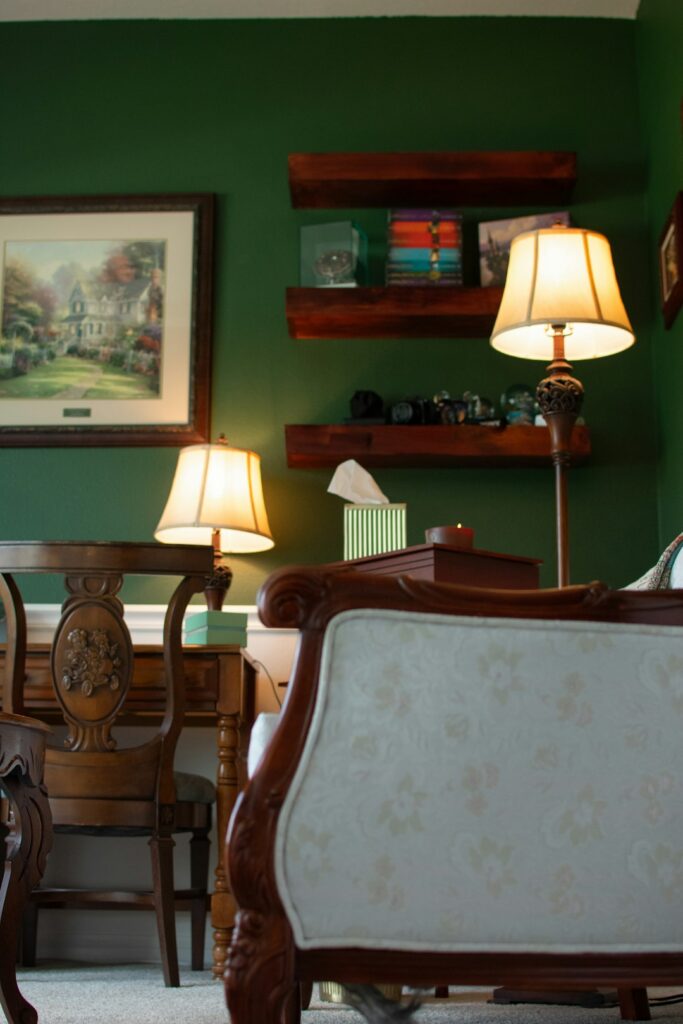
Moving into assisted living can provide more support with meals, medications, transportation, housekeeping, and daily routines. Even so, a new residence may initially feel unfamiliar. The transition is usually easier when the living space reflects personal habits, familiar relationships, meaningful memories, and a sense of control.
For residents and families in Bradford, PA, comfort may also depend on practical details such as winter clothing, seasonal routines, family travel, and staying connected across a spread-out region. A home-like setting is not created by decoration alone. It develops through familiar choices repeated over time.
What makes an assisted living space feel like home?
An assisted living space feels more personal when it supports familiar routines and contains recognizable belongings. A favorite chair, family photographs, familiar bedding, books, music, and everyday objects can make the room feel connected to the resident’s previous home.
The most useful items are often those that have a purpose or emotional meaning. Consider bringing:
- A comfortable chair or small reading lamp
- Framed photographs and familiar artwork
- A quilt, throw blanket, or pillow from home
- Favorite books, puzzles, or craft supplies
- A clock or calendar that is easy to see
- A small radio or music player
- A familiar scent, such as a preferred hand lotion or mild soap
- A few kitchen or dining items that support personal routines, if permitted
Too many belongings can create clutter and make cleaning or walking more difficult. It is usually better to select a smaller number of meaningful items than to move an entire household at once.
How can families personalize a room safely?
Personalization should support independence rather than create hazards. Before arranging furniture, identify the clearest walking path between the bed, bathroom, closet, and doorway. Mobility devices should have enough room to turn and should never be blocked by decorative items.
Safety checks include:
- Keeping electrical cords away from walking paths
- Using secure, low-profile rugs only if they do not create a tripping risk
- Avoiding candles, open flames, and heating devices unless specifically approved
- Placing frequently used items within easy reach
- Using non-slip footwear instead of loose slippers
- Making sure windows, vents, and emergency equipment remain accessible
- Labeling clothing and personal items when laundry is handled outside the room
Wall decorations should be lightweight and installed according to residence policies. Some buildings limit the use of nails, adhesives, personal appliances, or certain furniture for fire-safety reasons. Asking about those rules before moving in can prevent unnecessary rearranging.
Which routines help a new resident feel settled?
Familiar routines often matter more than a perfectly decorated room. Regular times for waking, meals, medication, bathing, rest, activities, and phone calls can give the day a dependable shape.
During the first few weeks, family members can help by learning the resident’s usual habits. Useful questions include:
- What time does the person usually wake up?
- Does the person prefer quiet mornings or conversation?
- Is coffee, tea, or another familiar beverage part of the morning?
- Which activities have always been enjoyable?
- Does the person prefer eating early, late, alone, or with others?
- What helps the person relax before bedtime?
A written routine can help staff understand preferences, especially when a resident has memory loss, communication difficulties, or trouble describing needs. The routine should remain flexible because energy levels, medical needs, weather, and scheduled activities may change.
How can residents stay connected with family and friends?
Frequent, predictable contact is often more reassuring than occasional visits that are difficult to anticipate. A regular phone call, video conversation, letter, or shared activity can help maintain a sense of belonging.
Visits do not always need to be long. A short conversation, folding laundry together, looking through photographs, or sharing a familiar snack may be more comfortable than a crowded gathering.
For families who live some distance away, practical planning helps. Family members can coordinate visits, share updates, and keep a simple calendar of important dates. During winter weather, plans may need to allow extra time for travel and changing road conditions. A missed visit can feel less upsetting when the resident knows that another call or visit is already planned.
Children and grandchildren can participate in ways that match their age and abilities. Drawing pictures, recording short messages, bringing seasonal decorations, or asking about family history can make visits more meaningful.
What personal items are most useful during cold weather?
Seasonal comfort deserves attention in a colder northern Pennsylvania climate. Residents may need easy access to warm clothing without making closets or drawers difficult to use.
Helpful items may include:
- A warm, properly fitting coat
- Soft sweaters or fleece layers
- Gloves, hats, and scarves
- Comfortable shoes with good traction
- Extra socks
- A lightweight blanket for indoor use
- Clothing that is easy to fasten and remove

Heavy winter garments can be difficult for people with limited hand strength or balance. Clothing with elastic waistbands, large fasteners, or simple layers may be more practical than complicated outfits. Any outdoor clothing should be labeled clearly if many residents have similar items.
Indoor comfort can vary from person to person. A resident who feels cold may need an additional layer, while another may prefer lighter clothing. Temperature concerns should be communicated to staff rather than addressed with unauthorized heaters or electric blankets.
How can residents keep a sense of independence?
Assisted living is intended to provide support while preserving as much personal choice as possible. Residents may feel more at home when they can decide what to wear, where to sit, when to rest, which activities to attend, and how to arrange personal belongings.
Independence can be supported through small choices:
- Choosing between two outfits
- Selecting a preferred breakfast
- Keeping a personal calendar
- Deciding which photographs to display
- Helping organize a drawer
- Choosing music or television programs
- Participating in familiar hobbies
Family members sometimes take over too quickly because they want to be helpful. A better approach is to ask what assistance is wanted, allow extra time, and respect a resident’s preferred method whenever it is safe.
What if a resident does not feel at home?
Feeling unsettled after a move is common and does not always mean the setting is unsuitable. A resident may be grieving a former home, missing familiar neighbors, or adjusting to a new schedule. Signs of difficulty may include withdrawal, irritability, poor sleep, refusal to eat, or repeated requests to leave.
Start by looking for specific causes. The room may be too noisy, too dark, too warm, or difficult to navigate. The resident may not recognize staff members, understand the daily schedule, or know where personal items are kept.
Helpful adjustments may include:
- Adding a clearly labeled family photo
- Reducing clutter and background noise
- Moving a favorite chair near a window
- Establishing a consistent visitor or phone schedule
- Reintroducing a familiar hobby
- Using a large-print calendar
- Asking staff about times when the resident appears most comfortable
If distress continues or changes suddenly, the resident’s care team should be informed. Sudden confusion, unusual sleepiness, agitation, pain, or a major change in appetite can sometimes signal a medical problem rather than ordinary adjustment.
How can a room remain personal as needs change?
A home-like room should be allowed to change over time. A resident may later need more space for mobility equipment, different lighting, simpler clothing storage, or fewer objects. Personalization is most successful when it remains practical.
The goal is not to recreate every part of a former house. It is to preserve the details that help a person recognize the space, maintain familiar habits, and feel respected. With thoughtful arrangement, steady routines, and meaningful connections, assisted living can become a place that feels familiar without sacrificing safety or needed support.
